Last summer the flea problem was one of the worst it has been. Unfortunately, this summer may be worse. The most common flea affecting dogs and cats in North America is the cat flea. Cat fleas are voracious blood-feeders, consuming up to 15 times their body weight daily. Female fleas use that blood to produce up to twice their body weight in eggs daily. It doesn’t take long for a flea infestation to get out of control. These fleas can cause allergic skin disease, anemia through blood-feeding, transmit tapeworms and bacterial illnesses. It is therefore important to control these harmful parasites.
It takes several weeks to eliminate a flea infestation since the immature stages are in the house or outdoors. Once fleas jump on a dog or cat, they will feed, mate and female fleas will begin laying eggs within 24 hours. The in-house and potentially outdoor premises rapidly become infested with eggs, larvae, pupae and emerging adult fleas.
Besides the pet, the environment may also need to be treated to more rapidly control the population. If necessary, an exterminator can be used to treat the home, garage, car and yard environments for fleas. Flea burden can be reduced by discarding and replacing pet bedding, washing bedding and throw rugs regularly, vacuuming daily, reducing humidity within the home, eliminating excessive carpeting; removing leaves and brush from the yard and keeping grass cut short. While treating the environment initially is important to get the population under control, it is not necessarily a once and done as the flea pupae in the environment are resistant to freezing, drying and insecticides and can lie dormant for many months. Besides cats and dogs, the cat flea likes opossums and racoons and so there is going to be continued re-introduction of flea eggs into the environment by wandering cats and opossums and racoons. The yard is best treated with Permethrin or Bifenthrin spray which is a man-made version of Pyrethrin which comes from chrysanthemum flowers. Recommend treating the yard for fleas once a week for 4 weeks and then once a month to kill emerging larvae and adults from pupae as spraying will not kill the eggs or pupae. (Pyrethrins can be toxic especially for cats so pets must be kept off the sprayed yard until it is dry.)
A less concentrated Pyrethrin (0.1%) can be used on dogs and cats and inside the house. Flea eggs, larvae and pupae tend to be most prevalent on pet sleeping areas and nearby cracks and crevices and also along and behind baseboards, moldings, window and door frames. Washing bedding can also be helpful. Generally, treating the indoor environment at least 2 times a week to start with is needed.
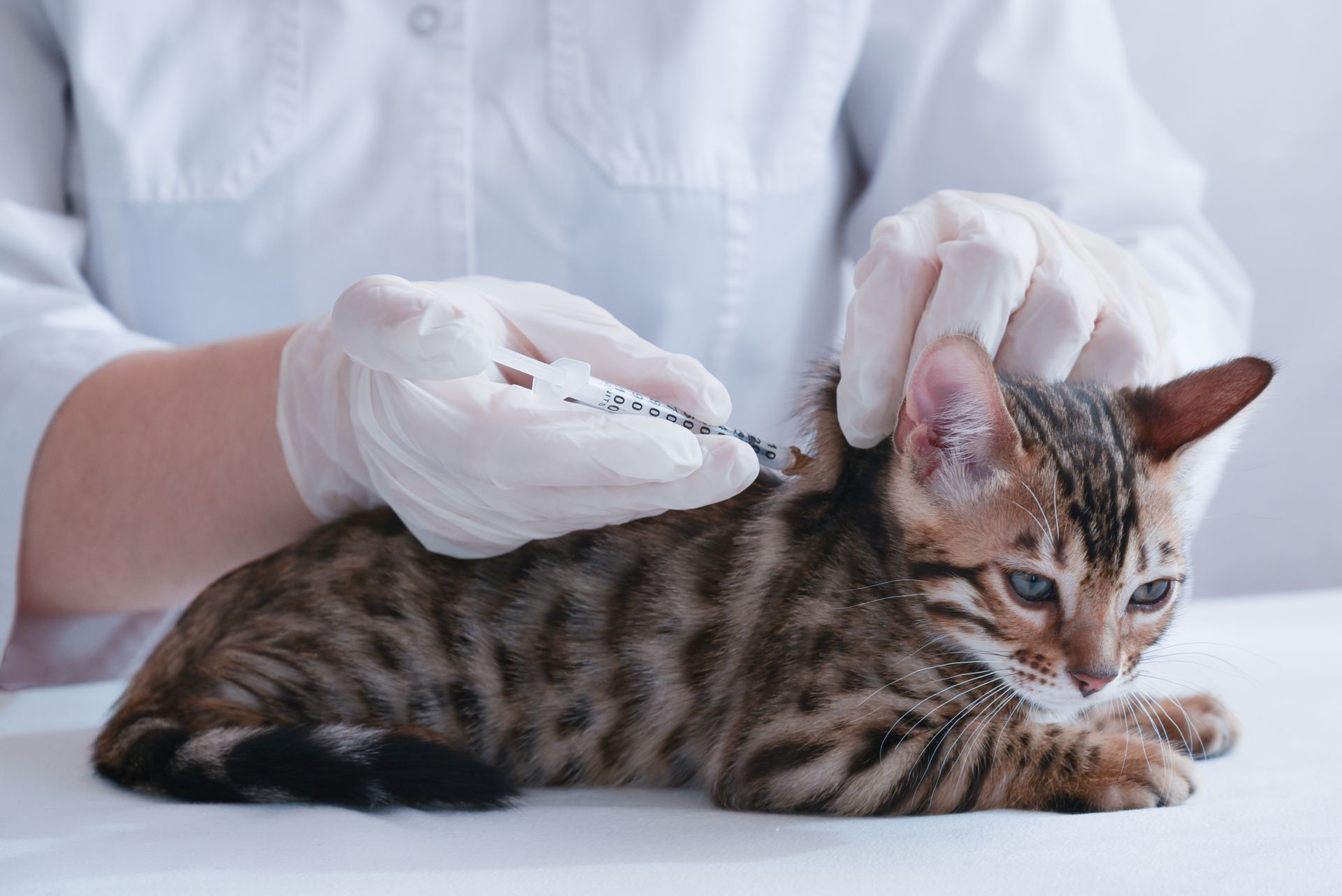
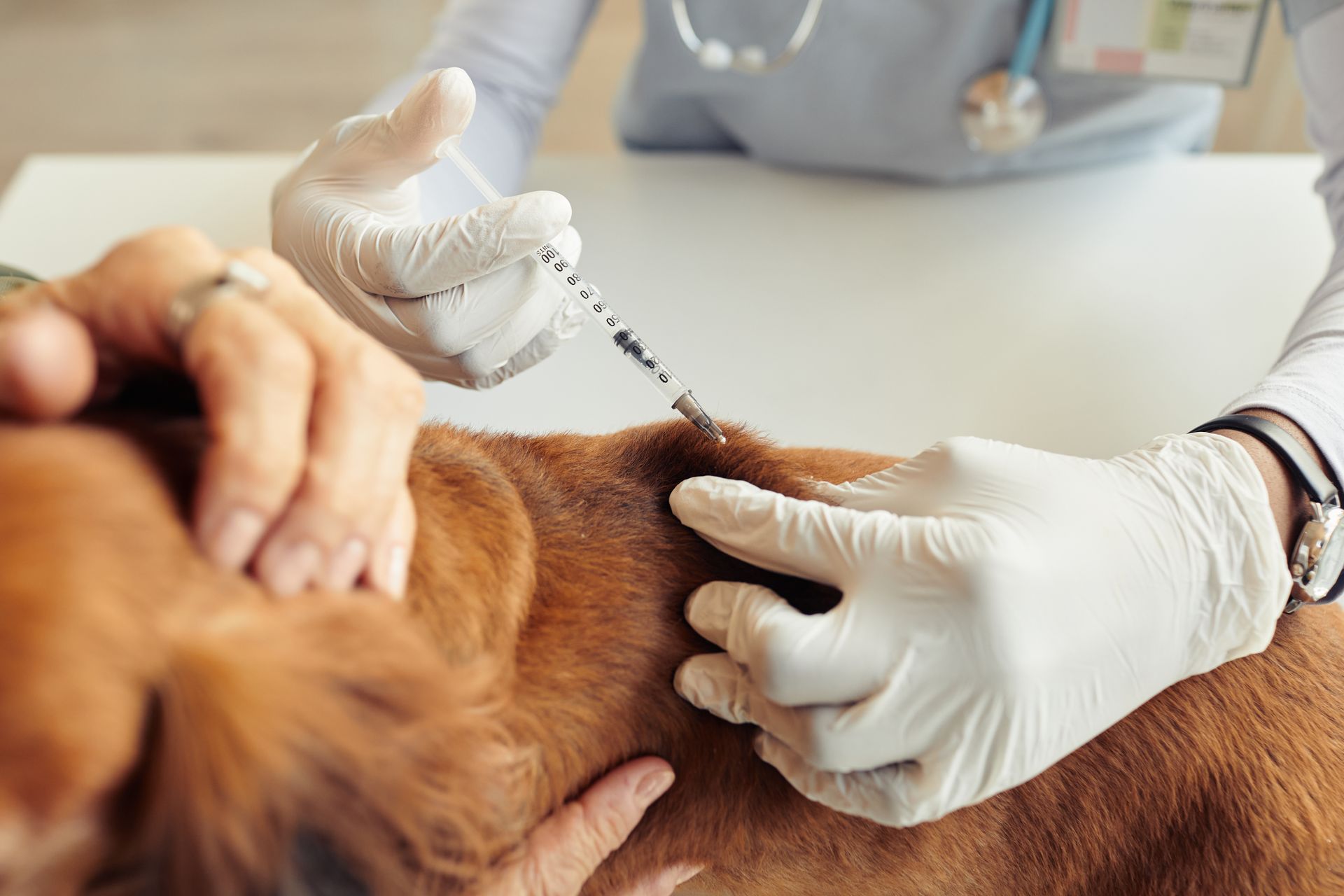
Systemic flea control is very effective for dogs and cats and convenient but needs to be used before the flea population has exploded. By itself, it will not put out the fire. Also, it is best to not stopped in the winter because that can make it more difficult to gain the upper hand in spring and summer when populations are increasing. Systemic flea control is a prescription drug that is either given by mouth or placed on the skin where it is absorbed into the body. It acts by killing the flea or tick when it has a blood meal. Since the systemic flea control kills the flea after having a blood meal, it is not preventing flea saliva from being injected during feeding. This is what causes problems for a flea allergic dog or cat. It is just as if you’re allergic to poison oak, it doesn’t matter if you rub only a little bit on your skin, you’re going to be itchy. It is the same with the bite of even 1 to 2 fleas in a flea allergic dog or cat. For these pets, you need to prevent them from getting any flea bites at all. This is done by initially using a topical insecticide if needed and effectively eliminating the flea population in the environment. Best and most convenient is systemic flea control before the problem appears to prevent a flea population from developing.
As nice as the weather is here in Spring, Summer and Fall, the fleas like it also. Even in the winter, while the population may decline outdoors, fleas do fine indoors. Flea prevention has become very easy and convenient but putting out the fire is not.