Well-meaning pet owners can be quite surprised when their pet requires multiple tooth extractions when they have regularly had non-professional dental scaling done. The primary reason is that removal of dental tartar on the visible surfaces of the teeth is not enough. The effect is purely cosmetic. Tartar under the gum line within the gingival pocket can only be removed under anesthesia and left on the teeth will contribute to periodontal disease. Periodontal disease starts with inflammation of the gums (gingivitis) and can lead to periodontitis which is los of the tooth supporting tissues. Most small breed dogs have periodontal disease by 3 years of. Untreated dental disease especially where extractions are needed is painful for your pet. Many times pet owners have commented on how much more active and engaging their pet is after dental treatment.
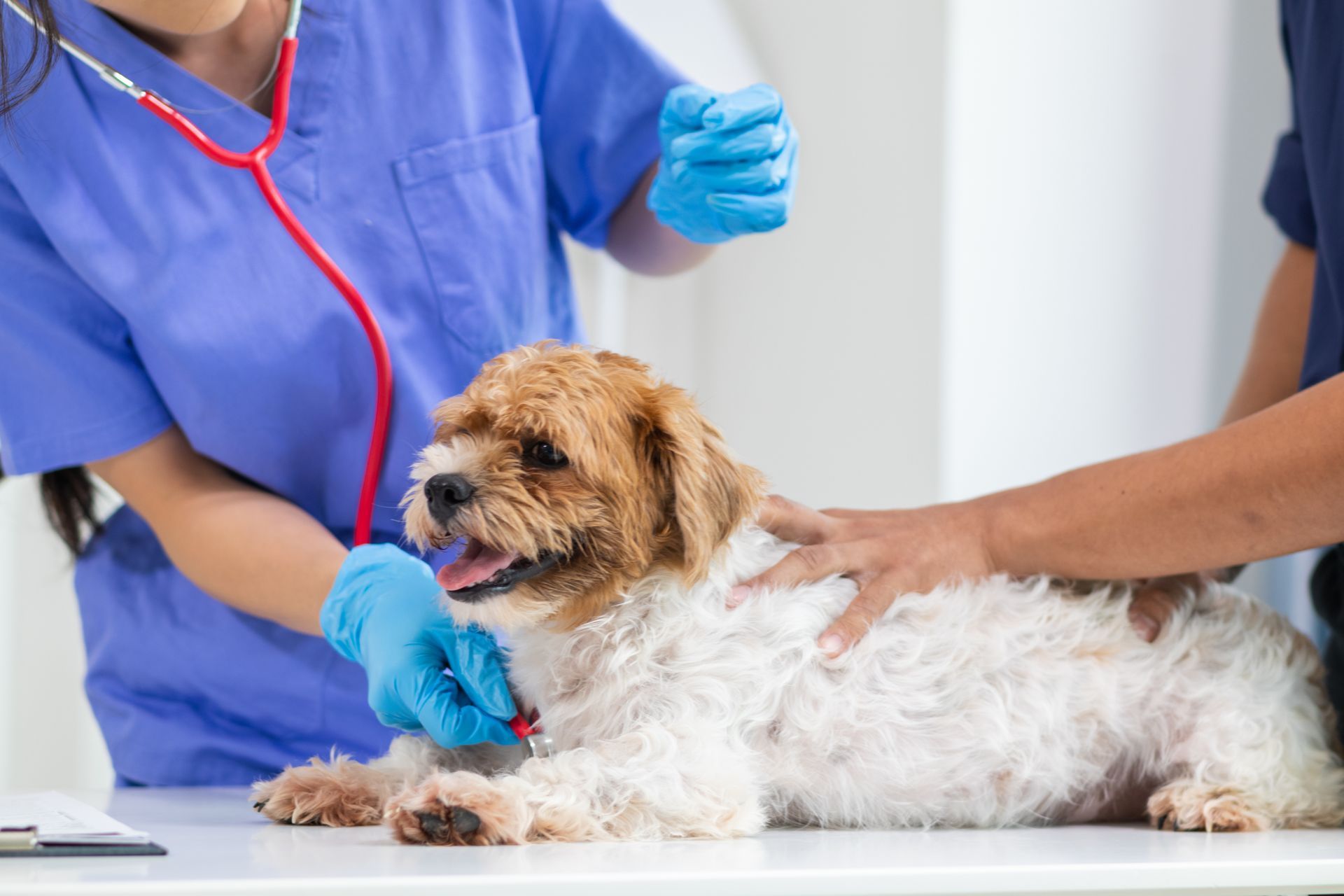
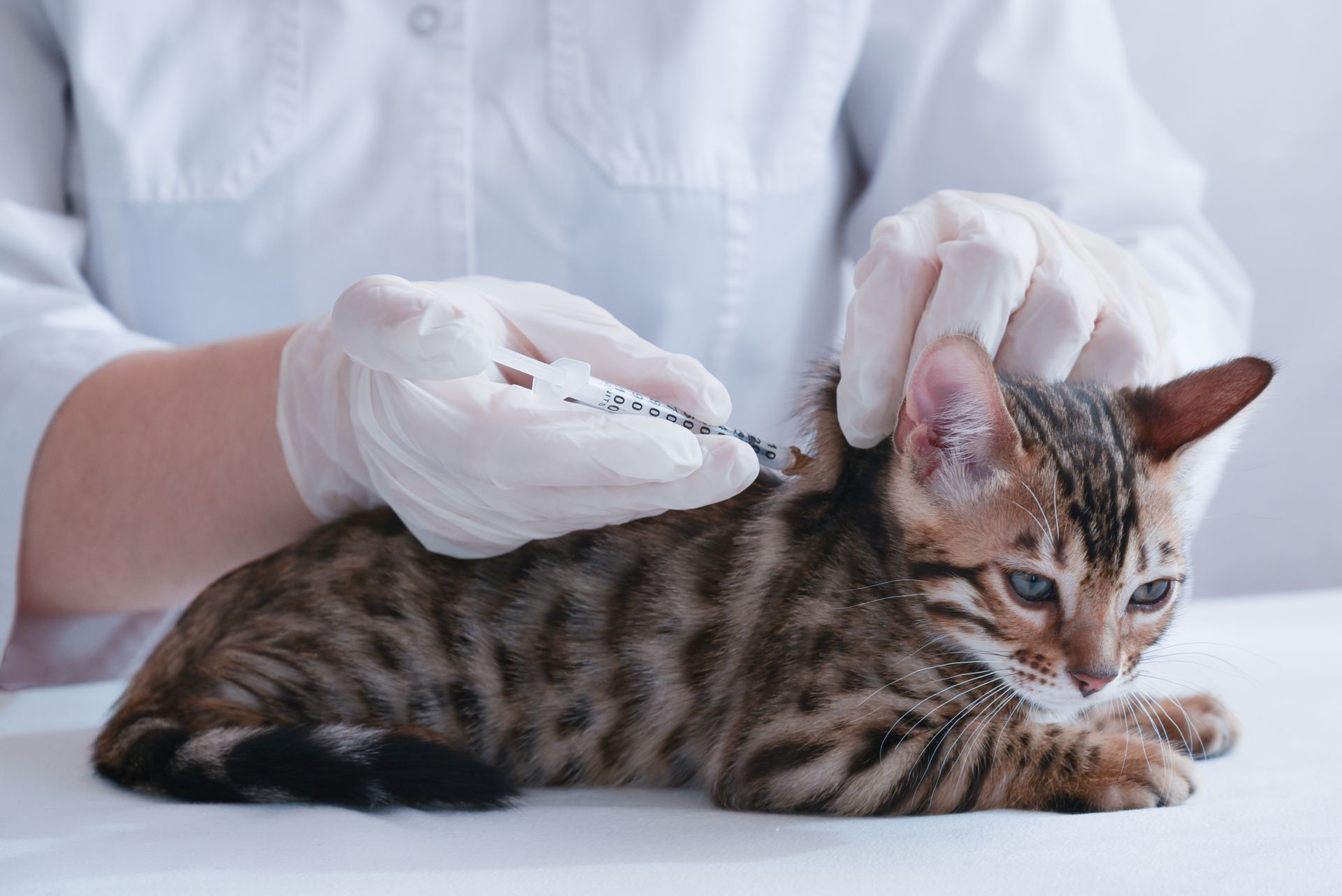
What about anesthesia? All anesthesia is not the same. Safe anesthesia requires first a thorough pre-operative examination and any appropriate laboratory testing. Gas anesthesia with a tracheal tube is administered as well as intravenous fluids and preemptive pain control. Usage of anesthesia requires close monitoring – per American Animal Hospital Association guidelines, one person monitors anesthesia while another performs the dental cleaning. Monitoring equipment is also used but it does not replace a dedicated anesthetist.
Effective dental cleaning is cleaning both sides of the tooth and again most importantly under the gum line with an ultrasonic scaler. Additional hand scaling especially of any exposed tooth root is done as needed. Periodontal pockets (space between the gum & bone and the tooth) are probed and measured. Any abnormal pockets and other dental abnormalities are recorded on a chart. Teeth are then polished with paste as a smooth surface discourages plaque formation. The area under the gums is then irrigated to remove debris & paste. Deep pockets can be filled with an antibiotic gelatin to slow periodontal disease and sealants can be applied to the surface also to discourage plaque formation.
Dental x-rays (radiographs) are an essential step for most dental cleanings. Since introducing dental radiography to our practice over 19 years ago, I have been consistently surprised by the dental problems seen on radiographs that were not evident on dental examination. Following dental cleaning, home care is important and can include brushing, anti-septic rinses, applying sealants, dental diets, dental chews, and antiseptics added to the drinking water.
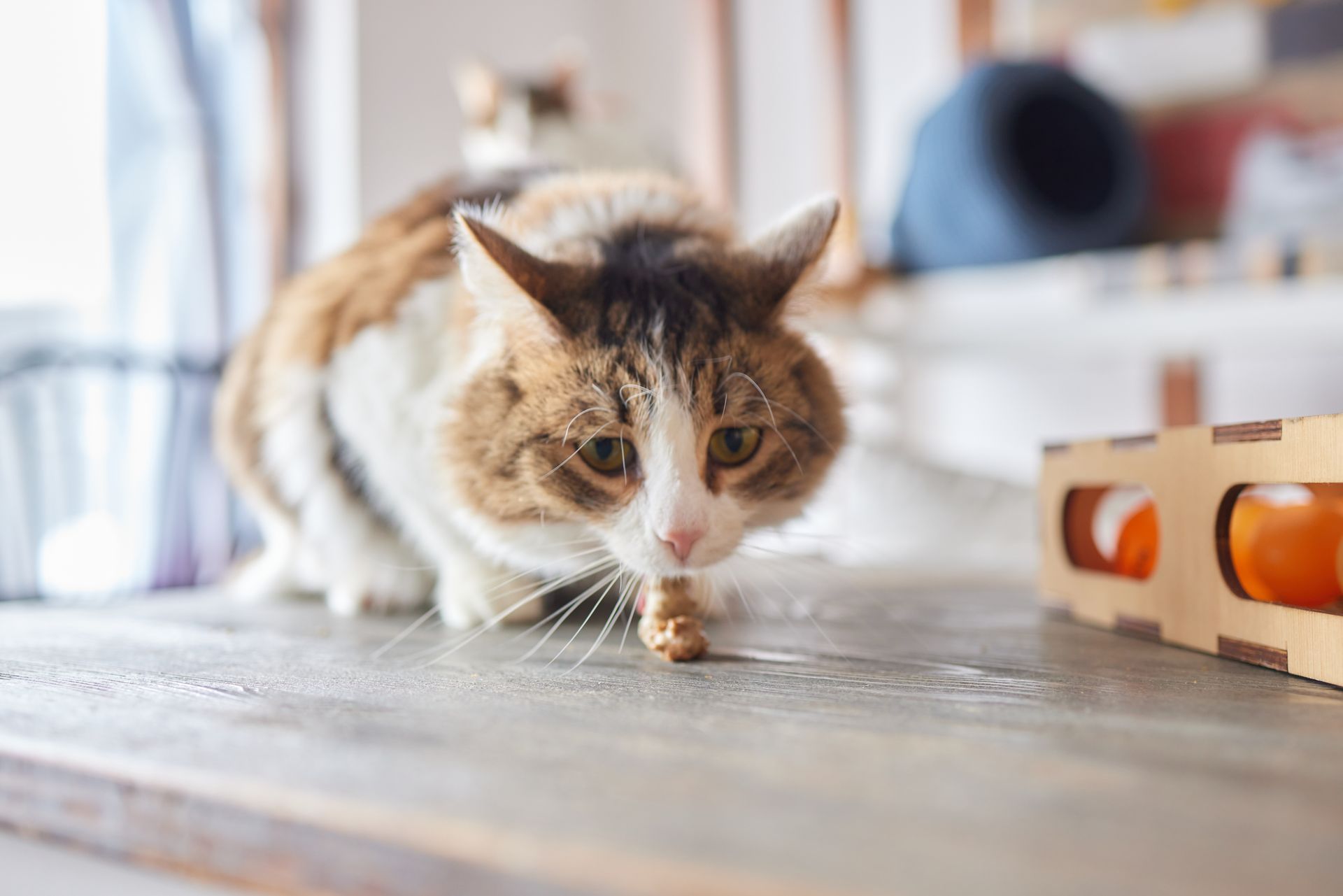
Annual or for some, bi-annual dental exams are important for pets to live a long, healthy life. If you notice your cat or dog has bad breath and teeth that are covered in tartar; drooling or dropping food from the mouth; bleeding from the mouth or shying away when you touch the mouth area then dental or oral disease is likely present and an appointment with your veterinarian is recommended.