The most common heart disease in cats is hypertrophic cardiomyopathy (HCM). HCM is a thickening (hypertrophy)of the wall of the left ventricle of the heart preventing the left ventricle from filling with a normal amount of blood. This results in a decreased volume of blood being pumped out by the heart. It is a disease that affects 1 in 7 cats while in humans, it affects 1 in 500.
A genetic cause is suspected since the disease has been found to be associated with particular breeds and has been shown to be heritable. Many cases though have no clear inheritance pattern and the regular domestic short hair cat is the most commonly affected.
As HCM develops and progresses there can be several effects on the heart and mild disease may not show any obvious problems. If the disease is severe enough then blood backs up into the left atrium and into blood vessels from the lungs to the heart. This forces fluid from capillaries in the lungs into the air exchange spaces within the lungs, resulting in pulmonary edema and fluid leaks into space between the lungs and chest cavity. When this happens, it is called congestive heart failure.
Some cats also suffer from heart arrythmias (abnormal electrical activity at the heart) which can result in sudden death. A small number also can develop blood clots which can suddenly cause blockage primarily where the aorta divides into the arteries carrying blood to the hind limbs.
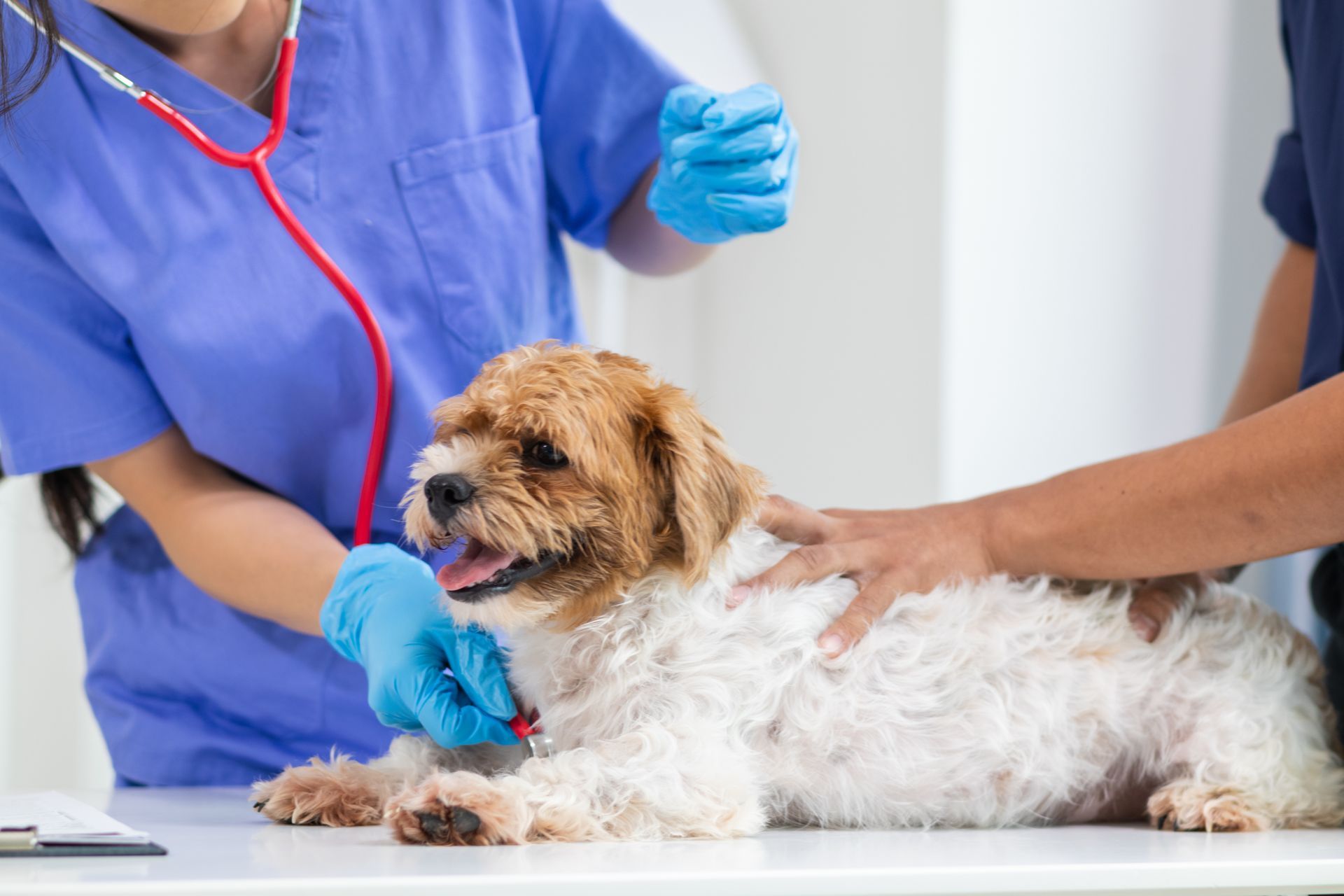
Symptoms of a cat having problems with this disease can be extremely variable. Again, mild disease doesn’t cause obvious problems but cats are masters at hiding problems. Subtle early symptoms such as a mildly increased respiratory rate can go unnoticed. Cats, unlike dogs, know that if they are going to be short of breath after dashing across a room, simply don’t run across the room. Indeed, many times the first indication of a possible problem is when a veterinarian hears an abnormality on physical examination. Even then a heart murmur is heard in less than 50% of affected cats.
The diagnosis of HCM is with ultrasound of the heart. If thickening of the wall of the left ventricle is found, then other causes for that must be ruled out prior to diagnosing HCM. The two most common causes other than HCM is systemic hypertension (high blood pressure) and hyperthyroidism (high thyroid hormone disease). Fortunately, these two problems are easily treated which generally results in return of the heart wall to normal thickness.
Unfortunately, there is no cure for HCM. Generally, therapy is begun when the left atrium becomes enlarged. This is when the risk of heart failure or blood clot formation becomes high. Therapies are currently being investigated. Rapamycin, a compound produced by bacteria and used in human medicine to suppress immune function in transplant patients has been found in cats to reduce left ventricular wall thickness or halt thickening in the early stages of HCM. Investigation into the usefulness of this medication is on-going.
The most commonly affected breed is the domestic short hair cat. Ragdoll and Maine Coot cats can have a specific gene mutation that should be screened for. If they have the mutation then a heart ultrasound should be done at 2 to 3 years of age and annually thereafter.
Ultimately, an ultrasound of the heart is needed to diagnose this disease which typically goes undiagnosed until symptoms, such as symptoms of congestive heart failure, are noticed. Although congestive heart failure can be medically treated, it becomes more difficult to manage over time. Survival for cats with HCM and heart failure is 1 to 1 ½ months after diagnosis.
Early symptoms such as subtle respiratory symptoms may suggest a need for chest x-rays and heart ultrasound. Certainly, any murmur in a cat is potentially significant and should be further evaluated with an ultrasound. Heart wall thickening can occur with chronic hypertension or high thyroid hormone disease. Both of which are very treatable and once treated can result in some or complete resolution of the heart condition. A thorough and careful history and physical examination by your veterinarian is the first place to start.
Miramonte Veterinary Hospital is certified as a Cat Friendly Practice by the Feline Veterinary Medical Association.