The weather here is as perfect as it gets for being outdoors at any time of day and any day of the year. So when warm weather comes the effects on our pets can come as a surprise especially on a midday hike in the hills or traveling to a warmer area. The effects of heatstroke can come quickly and mortality is 50%.
Heatstroke occurs when the body is generating more heat that it can get rid of. Heatstroke is an increase in body temperature, not as a result of a fever, but rather due to hot and/or humid conditions outside the body. It can occur when left outdoors in hot/humid weather without shade, when exercised in hot/humid weather or when left in a car even on a relatively cool day. A study by Stanford University Medical Center found that the temperature inside a vehicle increases on average 40 degrees F within 1 hour regardless of outside temperature. At body temperatures greater than 105.8° F, a systemic inflammatory process resulting in multiple organ dysfunction occurs.
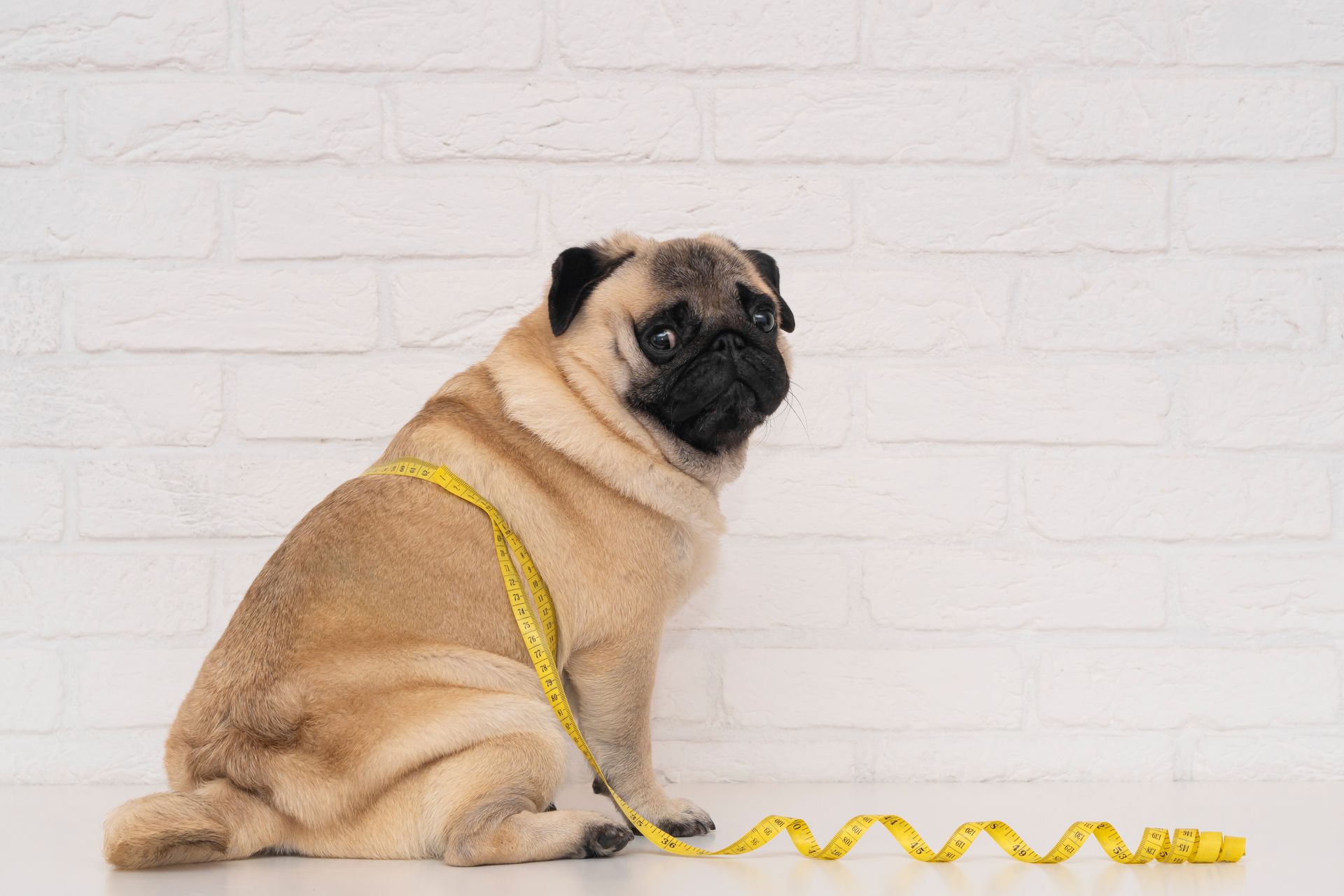
Short-nosed breeds of dogs, obese dogs, older dogs and those with upper airway or heart disease have more difficulty regulating body temperature. Nervous and excitable dogs along with those being excessively exercised are also at risk. Signs of heatstroke may begin with excessive panting and appearing distressed and becoming restless. Large amounts of saliva may come out of the mouth and/or nose. Weakness and difficulty in standing may then occur and you may notice gums looking bright red or purple/blue.
If you suspect heatstroke then institute evaporative cooling but avoid ice baths/ice packs due to resultant vessel constriction, decreasing heat loss. Do not cover with wet towels but rather misting with water and placing in front of air conditioner or windows pulled down on the way to a veterinary hospital. Allow to drink cool water if he or she wants to. Heatstroke is a disease that affects the entire body and simply lowering the body temperature may not address severe complications.
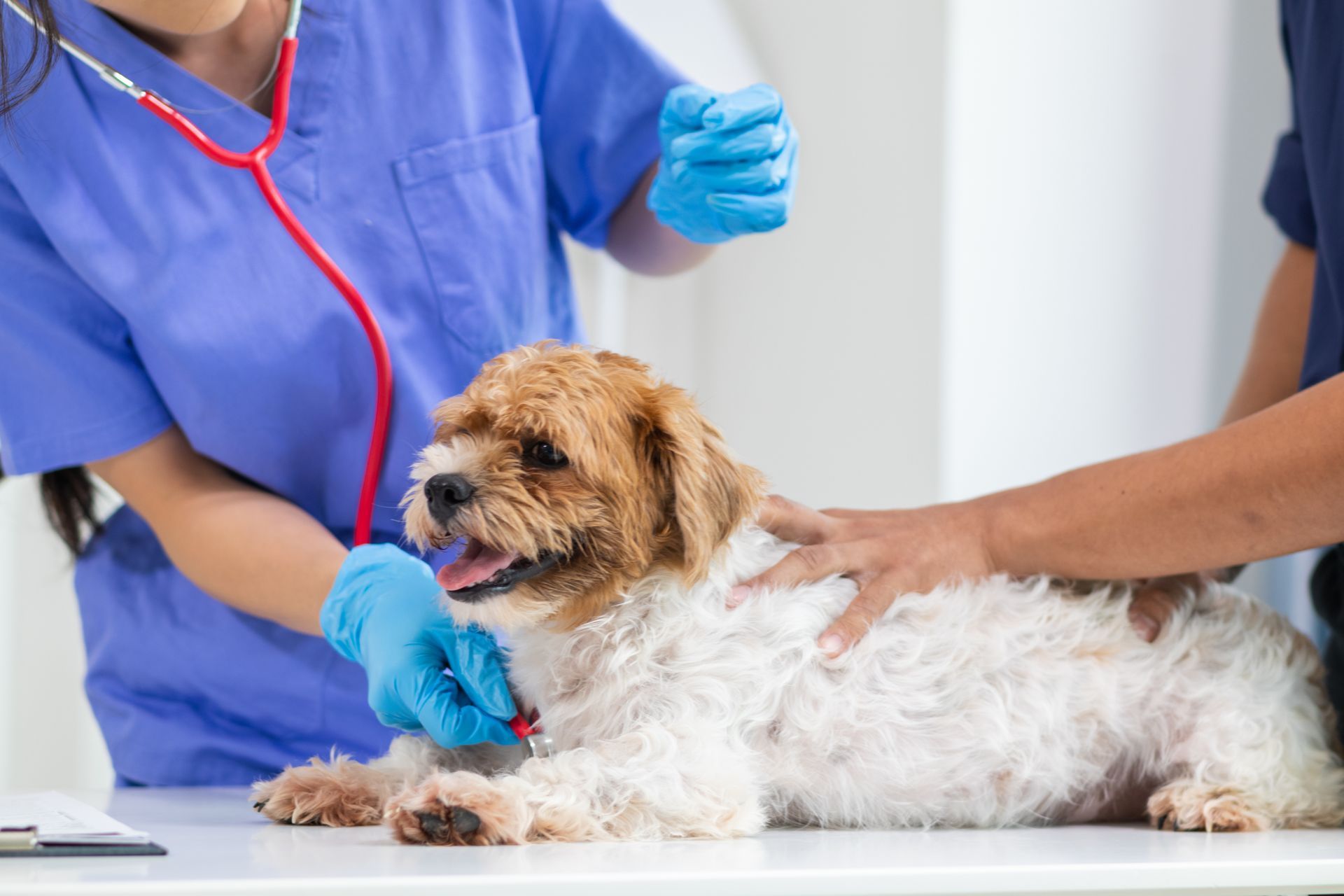
A dog with heatstroke should be seen immediately by a veterinarian. Do not delay presentation to a veterinary hospital as additional therapy is needed. Active cooling after body temperature reaches 102° – 103.5° can result in a dangerous continued decrease in body temperature. Additional therapy is to start intravenous fluids as soon as possible along with supplemental oxygen as needed and intravenous sugar if needed. Intravenous Mannitol may be indicated to prevent brain edema and restore urine output if kidney injury has occurred. Intravenous antibiotics are needed due to potential movement of intestinal bacteria into the blood. Monitoring for abnormal heart electrical activity and bleeding disorders is necessary.
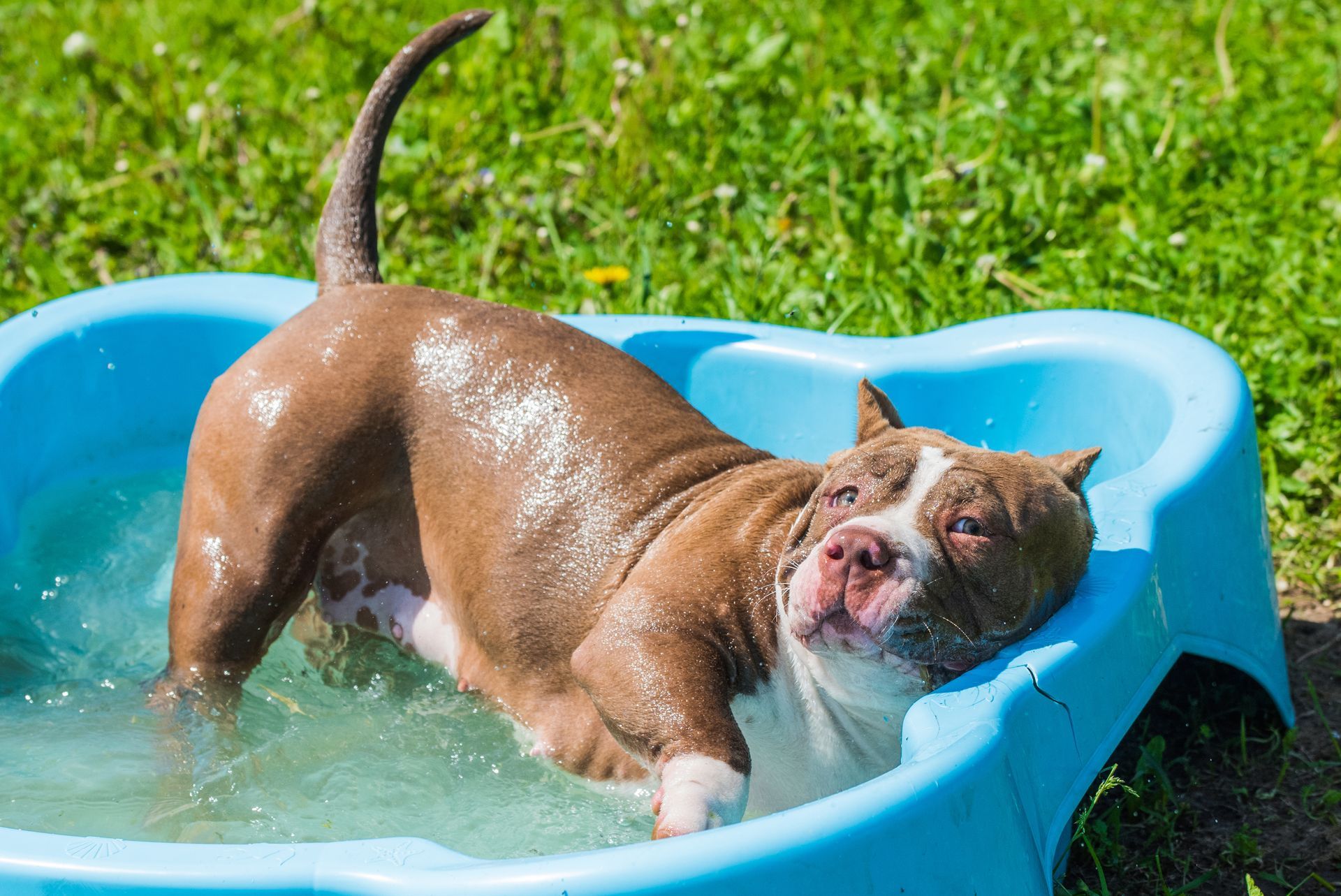
To prevent heatstroke from happening do not keep dogs outside without shade. A wading pool can help. There is no answer to whether to clip or not to clip a long-haired dog. If you do, clip them no closer than 1-2 cm as any shorter can lead to sunburn. Adding low sodium chicken broth to the water will increase intake. Be careful with older dogs lying in a sunny window as they may not be able to realize they are becoming over heated. And, of course, be careful with leaving dogs in a car even on cool days.
Prognosis for heatstroke depends on severity of initial signs and response to therapy. Again, mortality rates are around 50%.
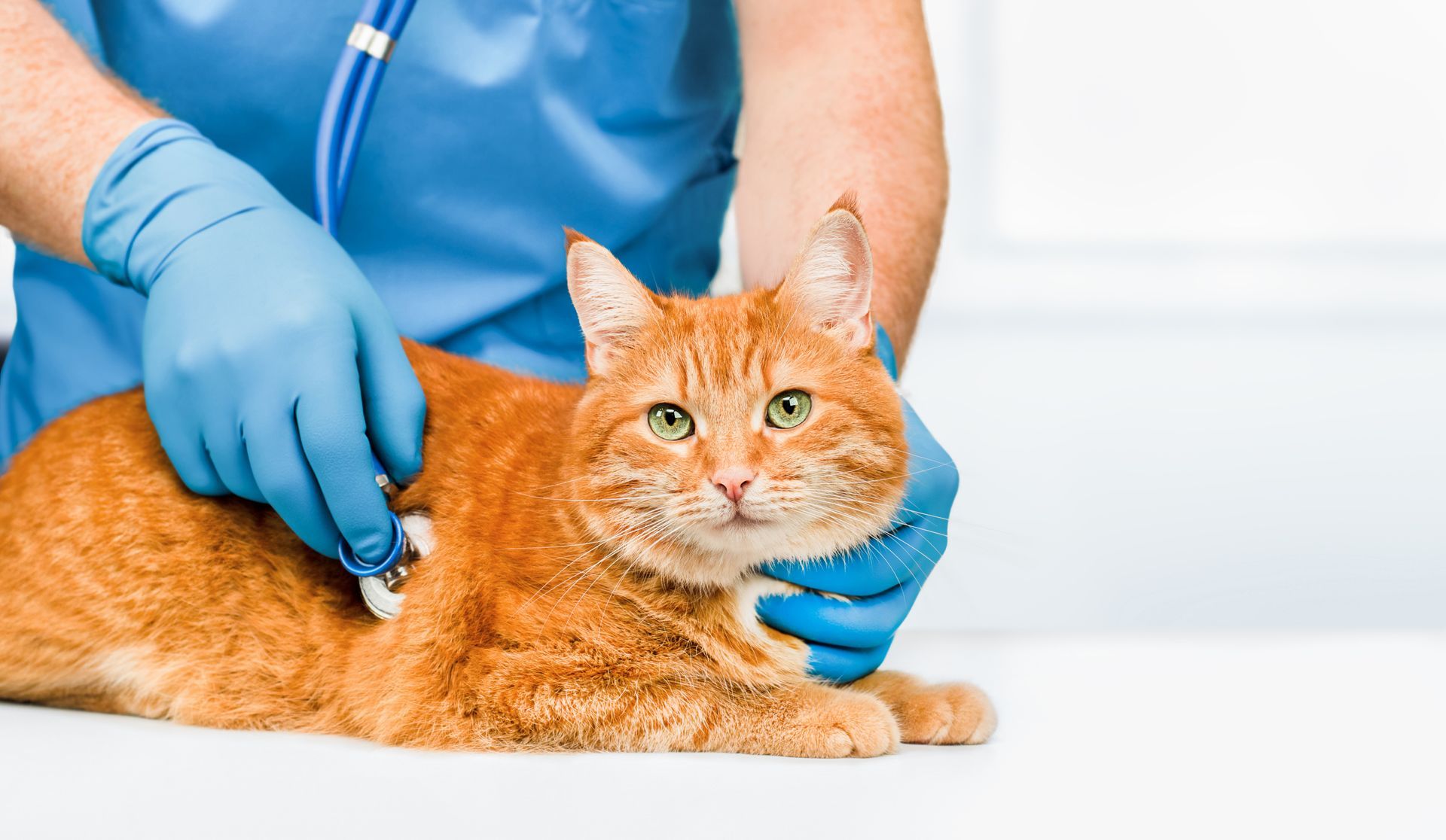
Severe heatstroke affects nearly every system in the body. Simply lowering the body temperature will likely not address the catastrophic events that result from heatstroke. A pet suffering from heatstroke should be seen by a veterinarian as soon as possible.