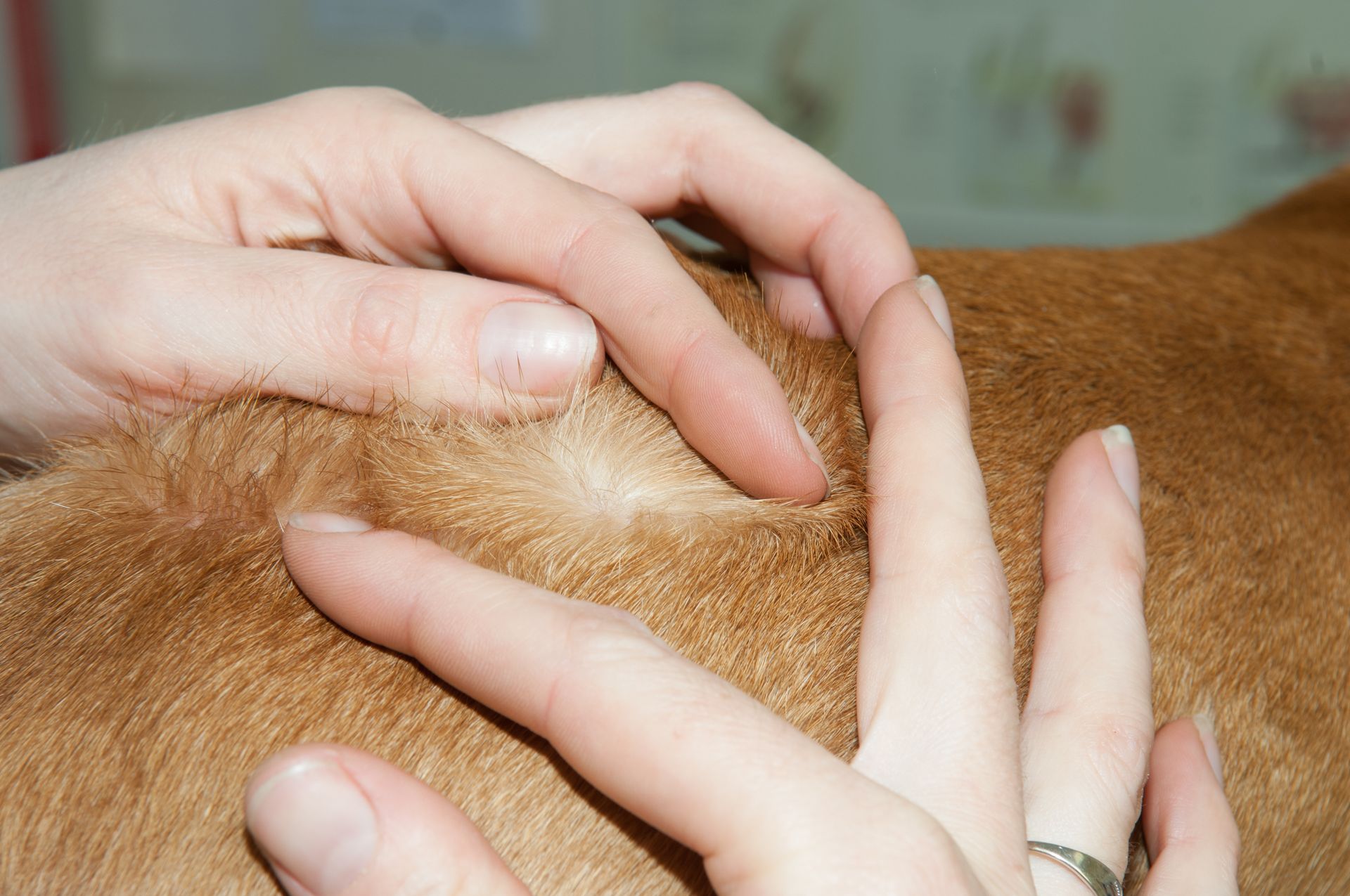
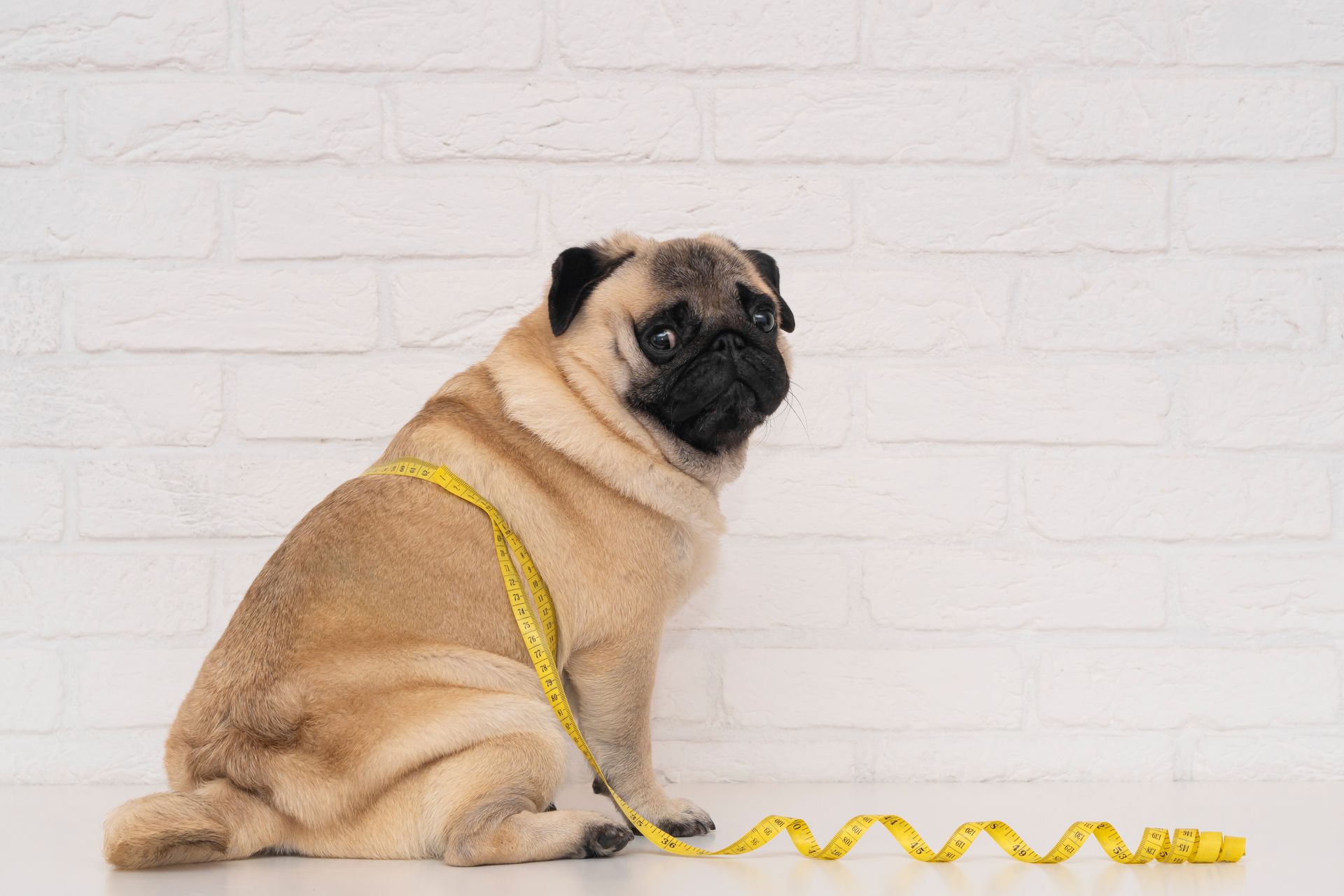
Early signs of illness in a senior dog can include deterioration in play, activity and response to commands. Changes in appetite including having to change diet to encourage eating or eating more slowly are indications of an illness. Drinking more water than before, urinating more frequently, coughing and vomiting or diarrhea unrelated to dietary changes also indicate a problem. Weight gain can also be a problem as dogs get older. Lumps and bumps are common and may be benign or indicative of a malignancy.
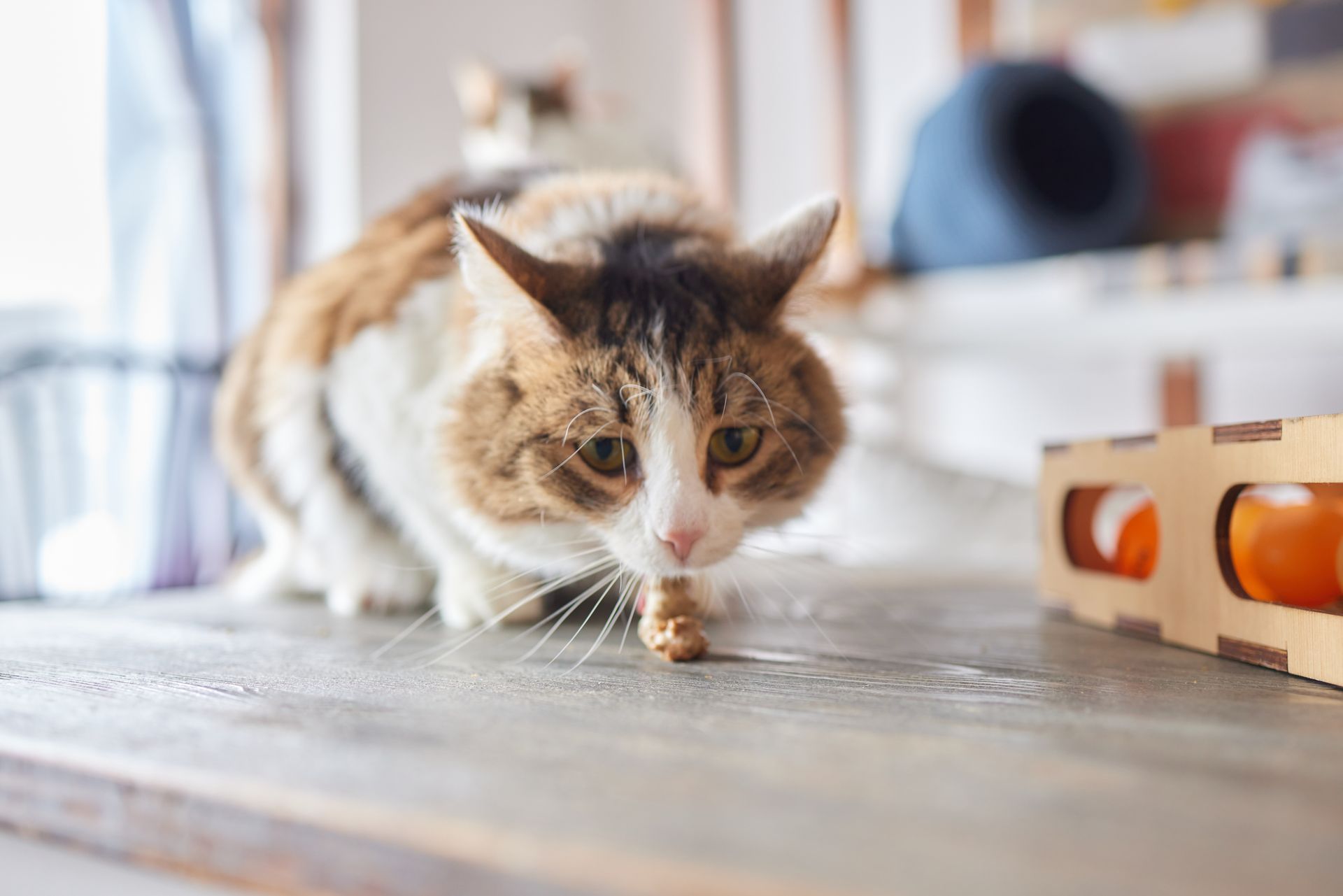
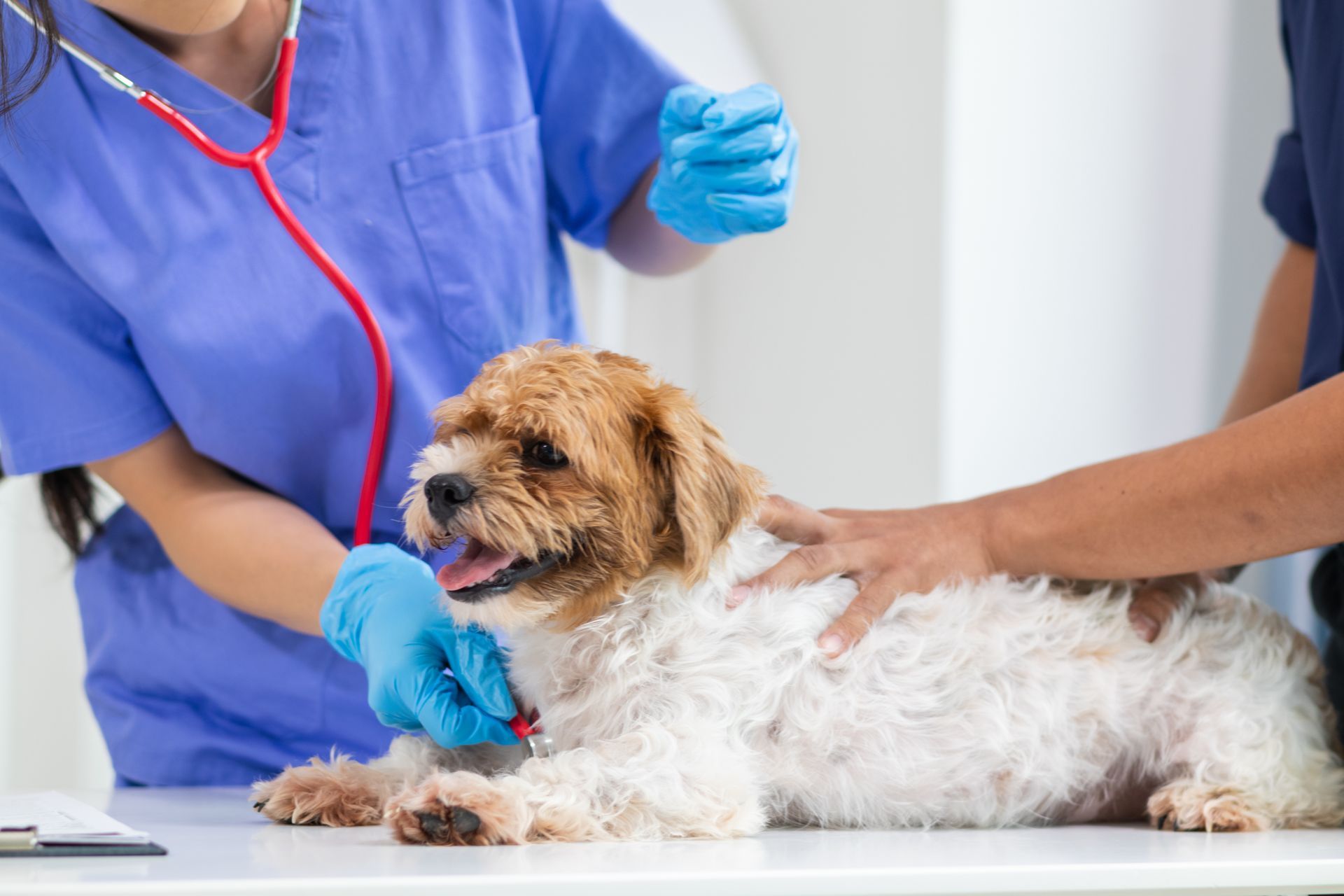
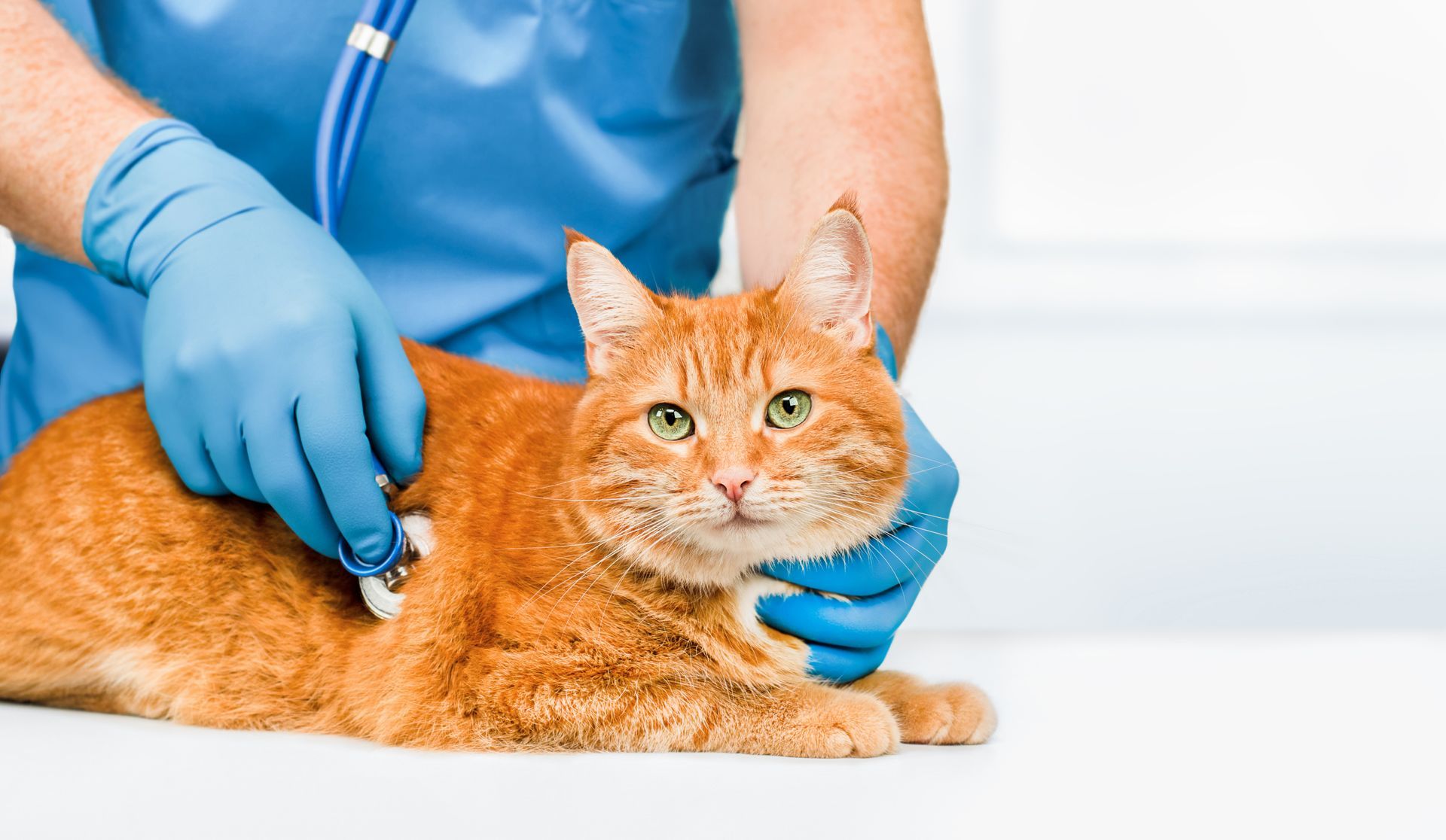
Early diagnosis allows optimum cure or management of age associated disease. Early diagnosis begins with a thorough history and examination. Your veterinarian will ask questions including previously mentioned symptoms and note any changes in weight and behavior from the last exam. Examination includes palpating, manipulating, listening to inspecting mouth, ears, chest, joints, abdomen, skin and the dreaded rectal exam. The exam maybe further extended to being trotted outside to evaluate for any lameness, aspirates taken of lumps to evaluate for malignancies, or dilation of pupils to evaluate the retina. A thorough examination takes time so be certain your schedule allows for the time needed.
Following examination your veterinarian may recommend additional testing. Most importantly a routine blood profile and urinalysis should be performed every 6 months. Every 6 months in a senior dog is equivalent to 3 human years and so a lot can change in 6 months.
Your veterinarian will also review preventative care such as nutrition, weight optimization, dental care and environmental enrichment. For older dogs it is important to continue to cognitively and socially stimulate them by walking a different route, going to different parks, getting a new toy or even a new pet.
Senior dogs have character and your bond with them is deep. Extending their life expectancy and enhancing their quality of life can occur with early prevention, recognition and management of age-related problems.