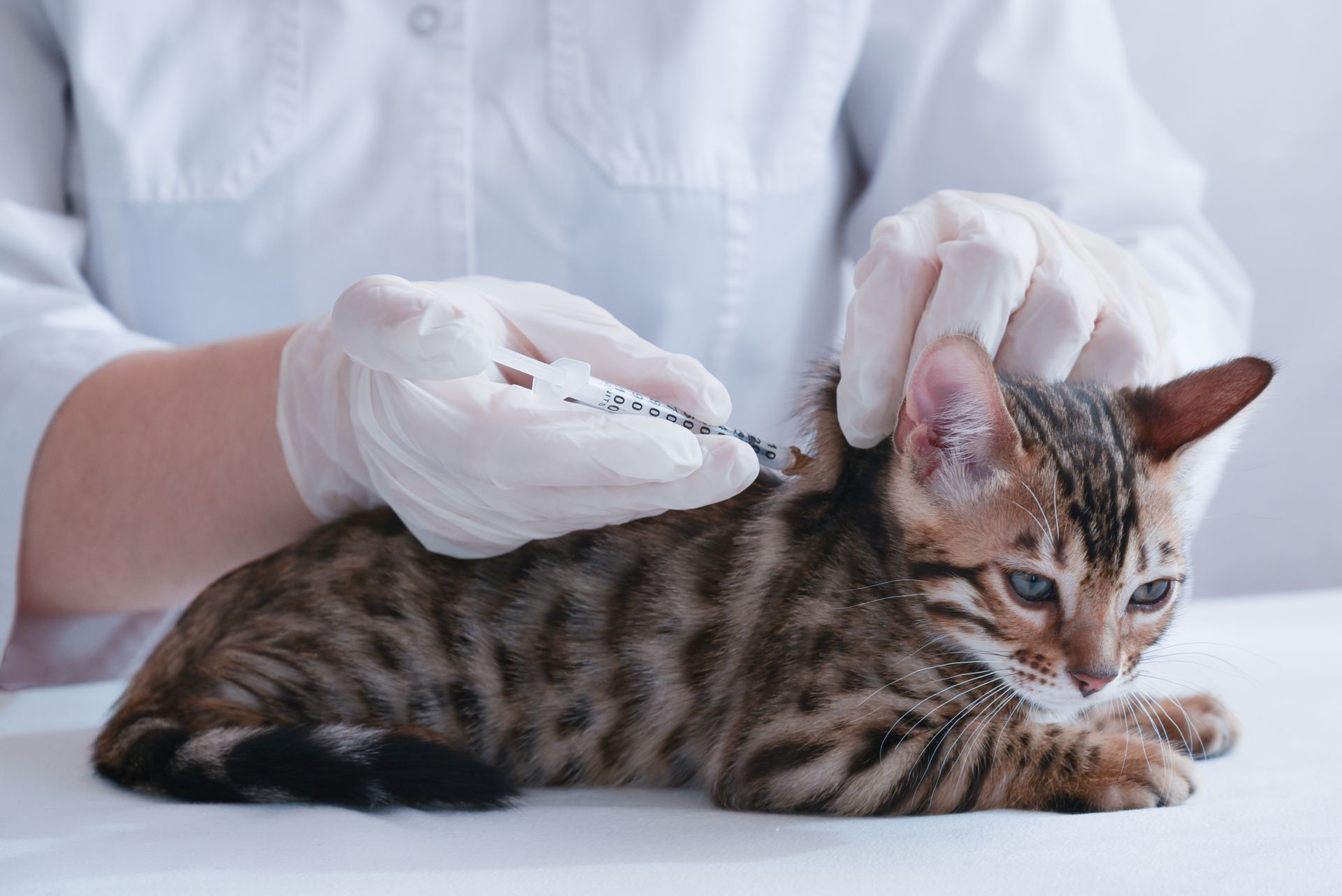
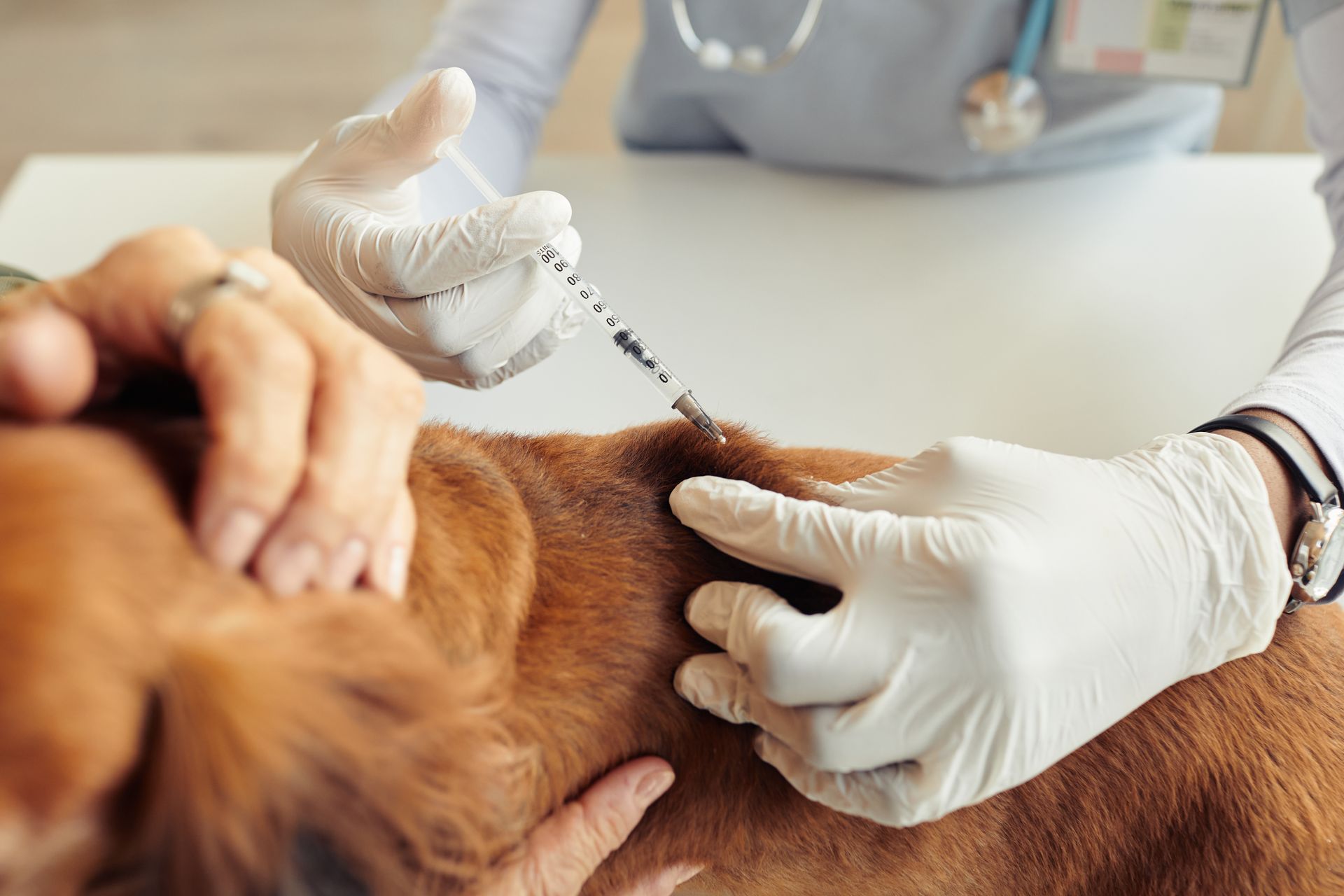
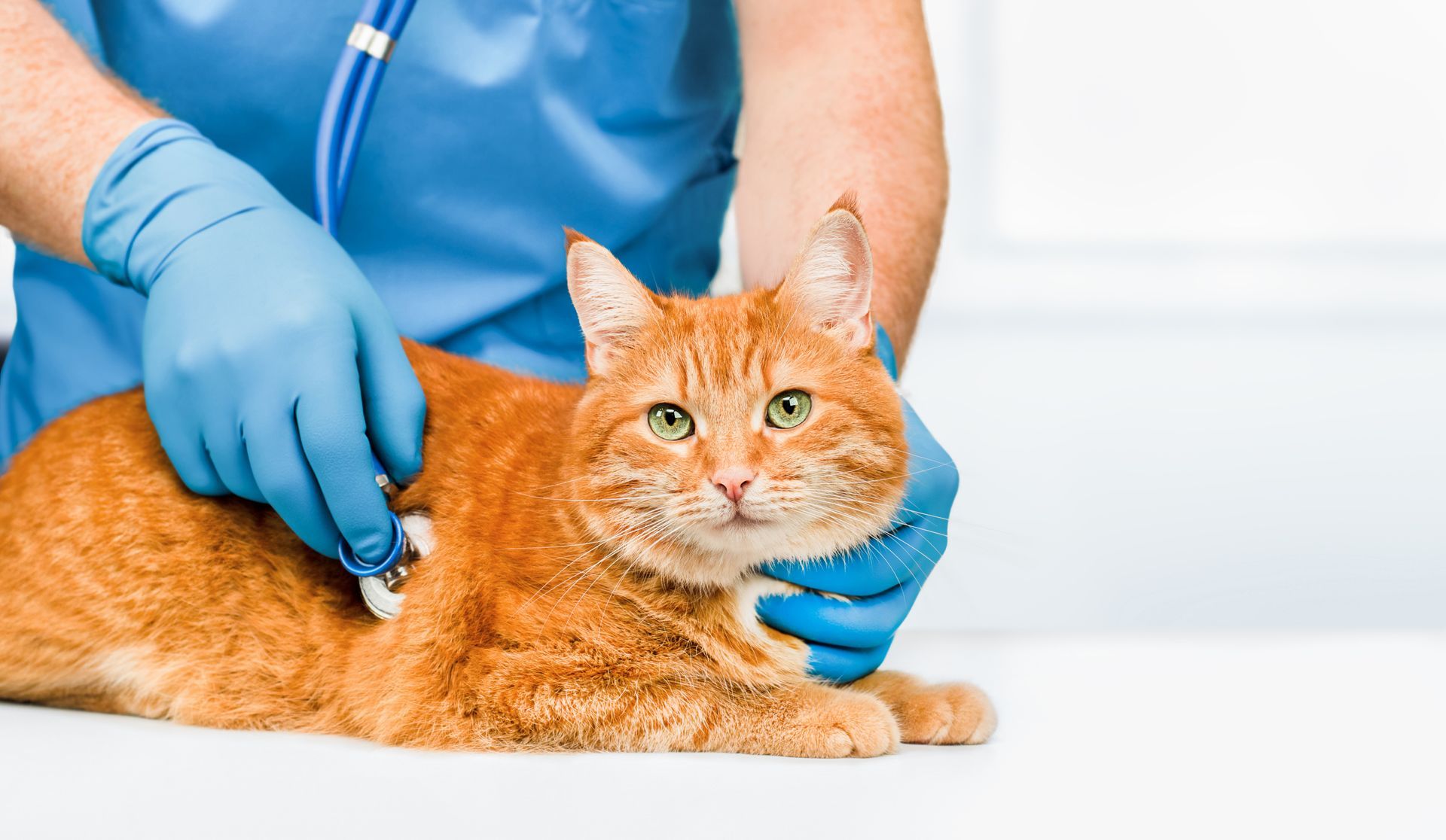
Trips to the veterinarian can be stressful for pets and their owners. For some dogs and cats, car travel can result in motion sickness further adding to their distress. Planning and preparation prior to travel can make the trip less stressful for all.
Cats and small dogs should be transported in a carrier. Ideally the carrier should have a front and top opening with easy removal of the top portion. Cats prefer sturdy carriers as they offer better support. Cats are most comfortable with the familiar and should be given time to get used to being in the carrier before travel such as leaving the carrier out for the cat to regularly sleep in it. Put the carrier in a preferred resting area with the top off if needed at first. Placing clothing, eg. fleece jacket or throw with your scent in the carrier and placing toys, food or treats in or around the carrier is helpful. Transport cats in separate carriers. Of course there are times when you may need to go to the veterinarian right away and your cat is not yet accustomed to the carrier. Start by putting the carrier in a small room without hiding places and then bring the cat in and shut the door. If the carrier has a top opening then gently cradle your cat and lower it in. Otherwise, remove the top half and after placing the cat in the carrier calmly replace the top. Having the cat’s usual bedding or clothing with your scent can help calm the cat.
If your cat is anxious or squirms when picked up making them difficult to hold then try placing the opening of a pillow case over them and then gently roll them into the pillow case and twist the opening closed. Put the pillow case with the cat in it gently into the carrier. For some cats being “hidden” in the pillow case for the trip is calming. Some cats do best with the carrier covered and others prefer to look out.
During the trip the safest place for a carrier is behind the passenger seat or less desirably strapped in with a seat belt. Pets loose in the car can be a danger for them and hazardous for your driving. Dogs have jumped out of car windows at busy intersections and hit the seat or dashboard when thrown forward by a sudden stop. Small pets can wander near the foot pedals interfering with needed braking. Medium to large dogs should be fitted with a harness and seat belt. The Center for Pet Safety has information on pet restraint devices.
For some pets just bringing them hungry and having their favorite treats at the visit makes for a great experience. For others the anxiety level is overwhelming and medications prior to travel can help. Sedative, anti-anxiety or pain relieving medications can be used to reduce the stress of the car ride and reduce anxiety upon arrival at the veterinary hospital. Pain can lead to anxiety and anxiety can amplify the pain experience. Medications are best tried first at home before the day needed as some patients can become more excited or irritable, necessitating a different medication or need a higher dose to produce the desired effect. If motion sickness medications are needed they should be given 1 hour prior to travel.
In multi-cat, multi-dog households or households with children a delayed re-introduction is recommended to avoid aggressive behavior. If any anesthetics or sedatives were given then avoid re-introduction until there has been a complete recovery. For dogs taking them all for a short walk together after arriving home is helpful. With cats leave the returning cat in the carrier for a few minutes to see how all the cats react. The unfamiliar smell of the veterinary hospital on the returning cat can cause it to be mistaken for a stranger. If they are anxious then keep the cat in the carrier and let it loose in a separate room by itself for a day. Otherwise if everyone is calm then let the returning cat out of the carrier. Sometimes taking all the cats to the veterinarian at the same time helps because then all will have the scent of the veterinary hospital.
While veterinary visits are not always as enjoyable as playing fetch or lying in the sun, they don’t need to be stressful.
Dr. Taylor is a Fear Free Certified Professional. Additional information to help your pet can be found at Fear Free or contacting a Fear Free Certified Professional.